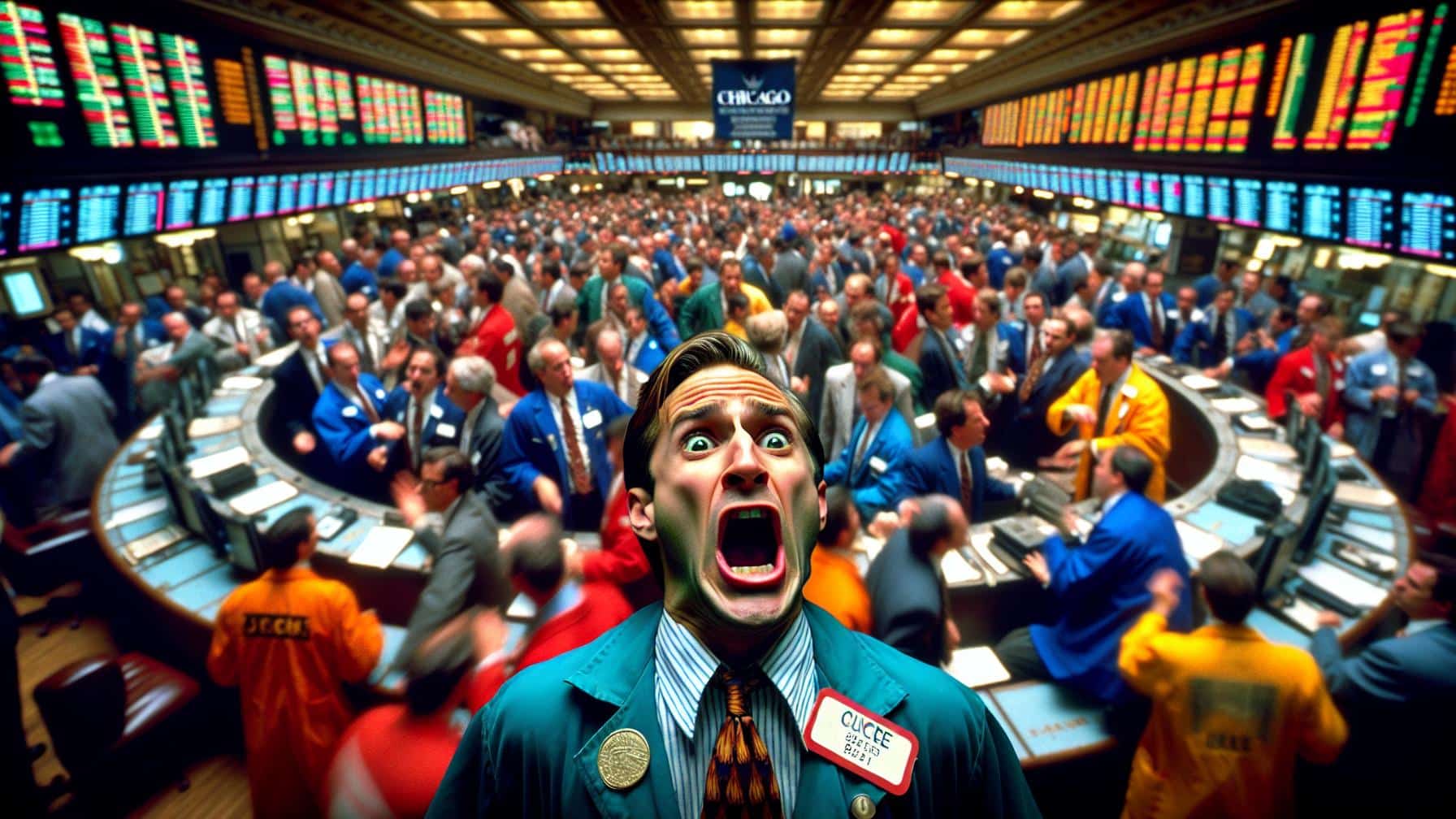
In a world where routine reigns supreme and familiarity is cherished, the concept of trading can seem daunting to many.
Trading disrupts the predictability that we often crave, presenting a landscape where each day brings new challenges and outcomes are far from certain.
.
Here are five reasons why people find trading so difficult:
- Unpredictability: Trading is inherently unpredictable. Market fluctuations, economic news, and geopolitical events can all impact asset prices in unforeseeable ways, making it challenging for traders to anticipate market movements accurately.
- Emotional Rollercoaster: The highs of a successful trade and the lows of a loss can take a toll on traders’ emotions. Fear, greed, and anxiety can cloud judgment, leading to impulsive decisions that may not align with a well-thought-out trading strategy.
- Information Overload: The sheer volume of information available to traders can be overwhelming. From financial news to technical analysis indicators, new traders may struggle to filter out the noise and focus on what truly matters for their trading decisions.
- Risk Management: Effective risk management is essential for successful trading, yet many new traders underestimate its importance. Without proper risk management strategies in place, traders may expose themselves to excessive risk, leading to significant losses that can wipe out their trading capital.
- Lack of Patience and Discipline: Trading requires patience and discipline, virtues that can be difficult to maintain in the face of uncertainty. Impatient traders may be tempted to chase quick profits or abandon their trading plans at the first sign of adversity, undermining their long-term success in the market.
.

While trading presents its fair share of challenges, there are several strategies that new traders can employ to navigate the unpredictable nature of the market:
- Education and Research: Knowledge is power in the world of trading. New traders should invest time in educating themselves about different trading strategies, market analysis techniques, and risk management principles. By staying informed, traders can make more informed decisions and reduce the impact of uncertainty on their trading outcomes.
- Develop a Trading Plan: A well-defined trading plan acts as a roadmap for success in the market. New traders should establish clear goals, risk tolerance levels, and entry/exit criteria for their trades. Following a trading plan helps maintain discipline and reduces the likelihood of emotional decision-making.
- Start Small: It’s essential for new traders to start small and gradually scale up their trading activities as they gain experience and confidence. By starting with a small trading account, traders can limit their risk exposure while honing their skills in the market.
- Practice with Demo Accounts: Many brokerage platforms offer demo accounts that allow traders to practice trading in a simulated environment without risking real money. New traders can use demo accounts to familiarize themselves with trading platforms, test out different strategies, and gain confidence before trading with real capital.
- Seek Mentorship and Support: Learning from experienced traders can accelerate the learning curve for new traders. Seeking mentorship, joining trading communities, and participating in forums can provide valuable insights, feedback, and support throughout the trading journey.
.

In conclusion, while trading may pose challenges for those accustomed to routine and predictability, with the right mindset, education, and support, new traders can overcome these obstacles and thrive in the dynamic world of financial markets. By embracing uncertainty and adopting sound trading practices, aspiring traders can turn the unpredictable nature of trading into an opportunity for growth and success.
👉 Join my free Telegram group for daily setups, expert tips, and exclusive content.
If you want daily trade ideas and signals, see the full service here.